When Agriplant Solutions needed an impermeable soil lining below the water table, Envirobase delivered. A bespoke blend and deep mixing transformed in-situ soils, achieving near-zero permeability, erosion resistance, and full compliance—without costly imports or liners.
Project Details
TL;DR:
Envirobase Technologies engineered an impermeable soil lining below the water table using in-situ granular soils, delivering strength, erosion resistance, and near-zero permeability without imported materials.
Designed a bespoke powder blend for deep mixing, improving cohesion and reducing permeability.
Conducted rigorous lab and field testing, ensuring compliance with environmental and engineering standards.
Eliminated the need for synthetic liners or major excavation, cutting costs and environmental impact.
Contact Envirobase Technologies for innovative, sustainable solutions to complex geotechnical challenges.
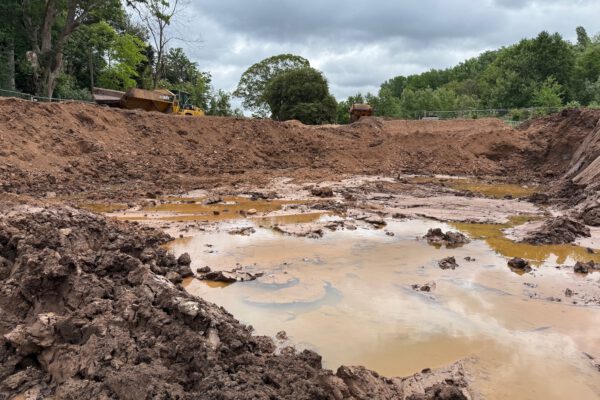
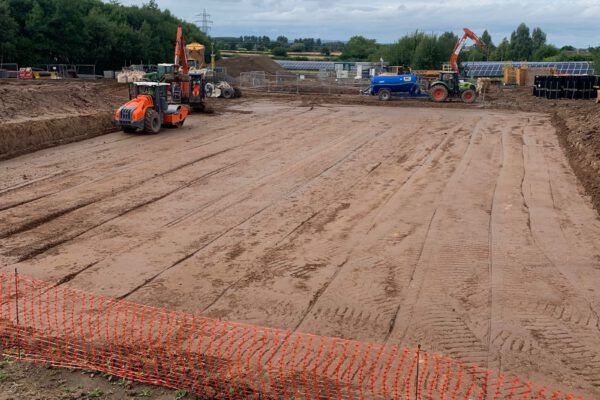
Developing an impermeable soil lining using existing saturated soils with high organic content and below the water table, capable of resisting erosion and supporting structural loads. Agri plant Solutions approached our Envirobase Technologies Ltd with a complex geotechnical challenge: to engineer a soil lining system beneath the water table using in-situ granular soils. The solution needed to meet stringent requirements for impermeability, erosion resistance, and load-bearing capacity—without relying on imported materials or multiple conventional liners.
Solution:
Envirobase Technologies Ltd devised a multi-phase approach combining advanced soil mixing techniques, chemical treatment, and a bespoke powder blend tailored to the site’s geochemical profile. The granular soils were stabilized through deep mixing with a proprietary powder formulation designed to enhance cohesion, reduce permeability, and increase compressive strength.
Extensive laboratory analysis and field trials were conducted to refine the mix design. Parameters such as hydraulic conductivity, shear strength, and settlement behavior were rigorously tested. A comprehensive quality assurance protocol was implemented, including real-time monitoring and post-treatment verification.
Outcome:
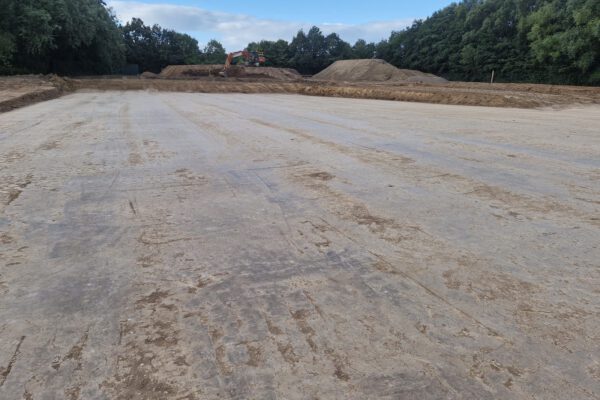
The final solution exceeded all performance benchmarks. The treated soil layer demonstrated near-zero permeability, robust erosion resistance, and sufficient bearing capacity for future structural loads. The system was fully compliant with environmental and engineering standards, and it eliminated the need for costly excavation or synthetic liners.
Agriplant Solutions praised the innovation and precision of the approach, noting its cost-effectiveness and minimal environmental impact. The project now serves as a model for sustainable ground engineering in challenging subaqueous conditions.
For Curo’s high-profile film studio project, Envirobase provided independent validation of self-delivered stabilisation works. Through oversight, testing, and stakeholder collaboration, we ensured full compliance and delivered a robust final validation report.
EBT designed and delivered a stabilised piling and crane platform using site-won materials, meeting BR 470 & BR 475 standards. The solution reduced material imports, cut costs, and ensured safe, uninterrupted heavy plant operations.
When soft alluvium soils threatened to force costly piling, M&T turned to Envirobase Technologies. A tailored stabilisation blend and rigorous QA transformed the ground, enabling strip footings, cutting costs, and delivering a compliant, build-ready foundation.
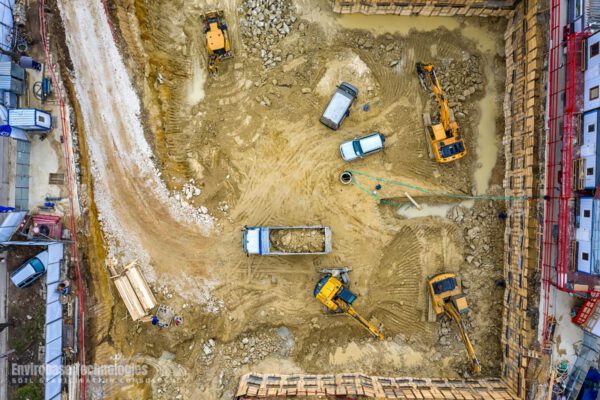
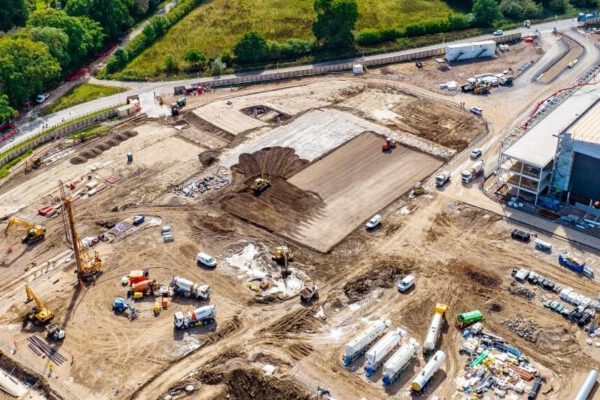
Design and construction of circa 8000m2 of haul road and 14000m2 of pile platform was in our scope of works to provide easily maintained and suitably tested access for all heavy plant such as piling rigs, 300T crawler cranes and PC Y beam delivery vehicle weighing circa 80T.
This website uses cookies to improve your experience. If you continue to use this site, you agree with it.